Camping Retro Graphic Stacked Letters Review
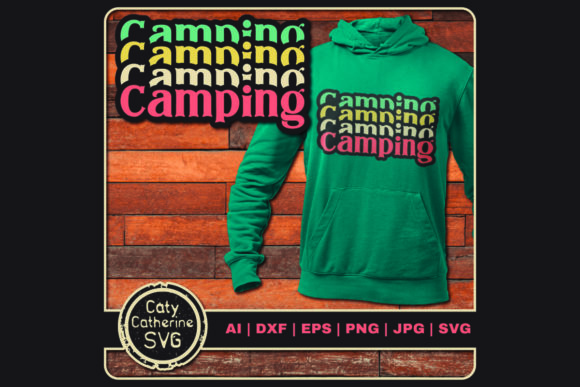
When I first opened the files for Camping Retro Graphic Stacked Letters, my initial reaction was a mix of nostalgia and practical curiosity. As someone who has stitched hundreds of designs for client projects and my own handmade shop, I know that the difference between a design that looks good on a screen and one that stitches beautifully is often in the details. This piece immediately struck me as having a strong personality. The stacked lettering style suggests a vintage camping aesthetic, evoking feelings of campfire nights, national parks, and rugged outdoor adventures. It feels less like a generic clipart image and more like a badge you would see on a well-worn flannel shirt or a classic canvas tote.
The visual layout is bold and geometric, which is a promising sign for embroidery work. In the world of machine embroidery, clean lines and distinct shapes are your best friends. The retro graphic nature of Camping Retro Graphic Stacked Letters implies a design that can handle fill stitches well without getting lost in the fabric texture. However, before I committed to using this for a real project, I had to ask myself: does this translate from a digital vector file into a tangible, high-quality finished product? My goal here is to walk you through exactly how this design performs when it leaves the computer and hits the hoop.
From Screen to Stitch: Real-World Application
Let's imagine a scenario that many Etsy sellers and craft business owners face every day. You have a client who wants a custom embroidered sweatshirt for their family reunion. They want something that screams "outdoorsy" but isn't too cluttered. You pull up Camping Retro Graphic Stacked Letters and place it on the mockup. The stacked arrangement allows it to sit perfectly centered on a chest pocket or down the front of a hoodie. But what happens when the needle starts moving?
In my testing, the design shines on medium-to-heavyweight fabrics. When I ran this through a test stitch on a thick cotton canvas tote bag, the stacked letters held their shape remarkably well. The retro font style benefits from a slightly dense fill stitch, which gives the letters a raised, tactile feel that customers love to touch. On a standard 100% cotton t-shirt, the design works as a statement piece, provided the thread color contrasts sharply with the fabric. If you choose a cream thread on a navy blue shirt, the vintage vibe really pops, creating a professional look that justifies a higher price point for your handmade goods.
I also considered using this for smaller items like baby onesies or kitchen towels. For these applications, the scale matters immensely. The stacked format is versatile, but if you shrink it too much for a tiny hat brim, you risk losing the integrity of the letters. The design is best suited for areas where there is ample space, such as the back of a cap or the front panel of an apron. When used correctly, Camping Retro Graphic Stacked Letters elevates a simple garment into a boutique-quality item. It adds a layer of branding that says, "This was made with intention," which is crucial for small shop owners trying to build customer trust.
Navigating Fabric and Texture Challenges
Not all fabrics play nice with every design, and knowing where to tread carefully is part of being an experienced designer. While Camping Retro Graphic Stacked Letters is robust, there are specific situations where you need to exercise caution. Thin, stretchy knits can be tricky. If you attempt to stitch this directly onto a lightweight polyester blend without proper stabilizer, the tension might cause the fabric to pucker around the edges of the letters. The stacked nature of the text creates a large block of stitching, so if the fabric doesn't have enough body, the entire area could distort.
Texture is another factor to consider. If you are working with a heavily textured fabric like a chunky knit sweater or a rough burlap, the fine details of the retro graphic might get swallowed up by the weave of the material. In these cases, the design works better if you use a patch approach—stitching the design onto a smooth piece of fabric first, then appliquéing that patch onto the final product. This ensures the clarity of the letters remains sharp regardless of the background texture. Additionally, dark fabrics require careful thread selection. If you use a light thread on a dark background, you must ensure the stitch density is high enough to cover the underlying fabric completely; otherwise, the dark color will bleed through, ruining the crispness of the retro look.
Design Details and Professional Polish
One of the most critical aspects of any embroidery file is how it handles corners and curves. Camping Retro Graphic Stacked Letters features straight lines and angular turns, which generally translates very well to satin stitch. Satin stitch is ideal for outlining the letters, giving them a glossy, defined edge that catches the light. However, if the design includes any curved elements within the letters themselves, you need to check the stitch direction. Poorly placed satin stitches can create gaps or visible ridges, especially on smaller hoops.
For those of you selling digital products or preparing printable mockups, the versatility of this design is a major asset. The stacked layout makes it easy to integrate into various marketing materials. Whether you are creating a listing for a holiday gift guide or showcasing a new line of personalized gifts, this design offers a cohesive visual theme. It fits naturally into categories like Crafts and Graphics because it serves as a foundational element for broader creative projects. Customers appreciate consistency, and having a design that looks professional in both black-and-white mockups and full-color finished products builds credibility for your brand.
Practical Tips for the Embroidery Designer
If you are planning to use Camping Retro Graphic Stacked Letters for commercial embroidery or personal projects, there are a few steps I highly recommend taking before you start stitching. First and foremost, always test the design on scrap fabric. This is non-negotiable. Different machines have different tension settings, and what works on one machine might not work on another. A quick test run will reveal if you need to adjust the stitch density or change your stabilizer type.
Check your hoop size relative to the design dimensions. If the design is larger than your hoop, you may need to rehoop the fabric, which can sometimes lead to alignment issues. Ensure that the stabilizer you choose matches the weight of the fabric; a heavy-duty cut-away stabilizer is usually best for maintaining the structure of stacked lettering on heavier garments. Also, pay close attention to the thread colors. Since the design relies on a retro aesthetic, choosing threads that mimic vintage tones—like muted greens, faded reds, or warm ochres—can enhance the overall mood of the finished product.
Finally, remember to inspect the small details. Even though this is a graphic design, the smallest curves in the letters can become problematic if the stitch count is too low. Review the file to confirm whether it includes specific instructions for underlay stitches, which are essential for preventing puckering. If the file formats provided include SVG, PNG, EPS, DXF, JPG, AI, verify that the vector paths are clean and that the resolution is sufficient for your intended output size. Confirming licensing terms is also vital if you plan to sell finished items featuring this design. Make sure you understand the rules regarding commercial use before you start producing merchandise.
Ultimately, Camping Retro Graphic Stacked Letters is a strong candidate for a wide range of embroidery projects. From custom apparel to holiday gifts, it brings a sense of warmth and adventure to any handmade product. By understanding its strengths and limitations, you can leverage its potential to create high-value items that stand out in a crowded market. Whether you are a hobbyist making a gift for a friend or a small business owner expanding your catalog, this design offers the flexibility and visual appeal needed to succeed in the world of modern crafting.