Pickleball Retro Color Vintage Design Review
As a designer who has spent years evaluating digital assets for real-world embroidery projects, I rarely get excited about a file based solely on its preview image. However, Pickleball Retro Color Vintage Design caught my eye immediately. It possesses that specific nostalgic charm that resonates with today's crafters and boutique owners. But does it translate well from a screen to the needle? I decided to put this design through a rigorous mental simulation before ever loading it into my hoop.
The First Impression: Mood and Visual Personality
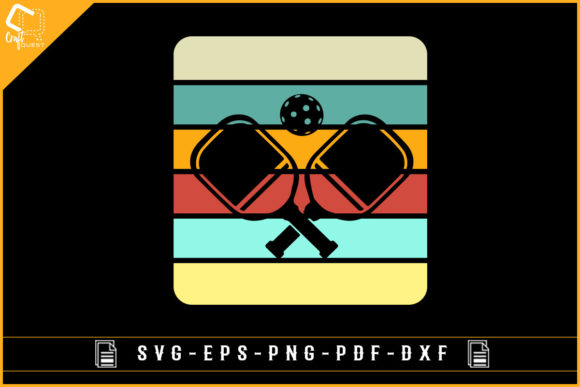
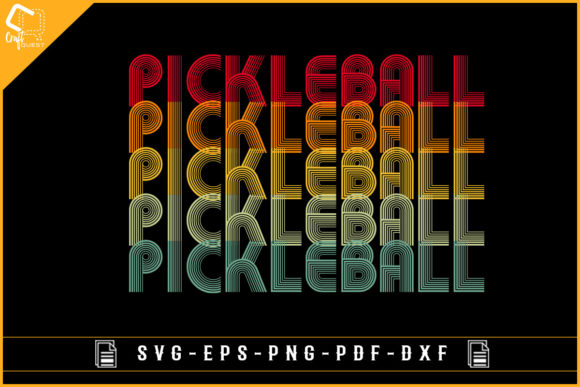
The moment you open the files associated with Pickleball Retro Color Vintage Design, the aesthetic speaks volumes. It isn't just a standard logo; it carries a retro color palette that feels curated rather than random. The vintage vibe suggests durability and timelessness, which are crucial qualities for any handmade product aiming to last beyond a single season. For an embroidery designer, the initial assessment of layout is key. Does the design breathe? Is there enough negative space to allow the fabric texture to show through without looking cluttered?
In this case, the composition strikes a balance between bold statement and delicate detail. The shapes are distinct enough to be recognized even when stitched in a single thread color, yet they offer enough complexity to showcase high-quality stitching techniques. It feels like a design meant for someone who loves the sport but also appreciates mid-century modern aesthetics. This duality makes it incredibly versatile for various product categories within the Crafts and Graphics sectors.
Real-World Application: From Screen to Stitch
Let's imagine a practical scenario. You are preparing for a local pickleball tournament or a weekend craft fair. Your goal is to create a custom embroidered tote bag for a client who wants a personalized gift for her husband. She loves the game and wants something unique that doesn't scream "store-bought." This is where Pickleball Retro Color Vintage Design shines.
When visualizing the finished product, the retro colors pop beautifully against natural canvas or muted denim. The design works exceptionally well as a tote bag design because the central placement allows the eye to travel across the entire motif without feeling cramped. Unlike some dense designs that can make fabric look stiff, this one appears to have a lighter touch, preserving the soft hand of the material. If you were to use this on a sweatshirt, the vintage feel would complement the heavy cotton blend perfectly, creating a piece of sweatshirt embroidery that looks worn-in and authentic right out of the machine.
I also see potential for smaller items. A baby onesie featuring this design could be a hit for a nursery decor line. The softer edges of the retro style soften the impact, making it suitable for baby embroidery. Furthermore, for those selling on Etsy, this asset serves as a perfect example of how a digital embroidery file can elevate a shop's branding. When customers see a cohesive vintage theme across their listings, trust increases, and the perceived value of the handmade product goes up.
Where Caution is Required
While the design is promising, no professional should assume perfection without testing. There are specific scenarios where Pickleball Retro Color Vintage Design might face challenges. One must be careful when considering small hoop sizes. If the intricate details of the retro elements are too close together, the threads may crowd each other, leading to a muddy appearance where individual stitches disappear.
Textured fabrics present another hurdle. While linen or burlap adds character, the uneven surface can cause issues with stitch density. If the fabric is too thick or fuzzy, the applique design elements (if used) or tight satin stitches might not lay flat. Similarly, stretchy fabrics like jersey require extra care. Without proper stabilizer support, the tension required for the fill stitches could cause the garment to pucker around the design area.
Dark fabrics demand a strategic approach to thread selection. The description mentions "retro color," which implies a specific palette. If the original file uses light pastels on a dark background, you will need underlay layers to ensure coverage. Conversely, if you are working with thin fabrics, the weight of the stitch count could distort the material. Always inspect the design for tiny lettering or decorative accents that might get lost in the weave of a coarse towel or apron.
Impact on Product Value and Brand Consistency
The choice of design directly influences customer perception. A well-executed embroidery project builds confidence in the maker. When Pickleball Retro Color Vintage Design is stitched correctly, it signals professionalism. It tells the buyer that attention was paid to detail, from the color contrast to the alignment. This level of quality is essential for commercial embroidery projects where repeat business depends on consistency.
For the Etsy seller or small shop owner, using a design with such strong personality helps differentiate products in a saturated market. It moves beyond generic sports logos to something that feels like art. This distinction enhances the finished product's appeal, making it more giftable for holidays or weddings. The vintage aesthetic taps into a trend that values authenticity, which drives higher engagement and sales.
Practical Designer Notes for Execution
Before you commit to running a production batch, follow these steps to ensure success. First, test the design on scrap fabric that matches your final material. This reveals how the thread colors interact with the specific weave of your chosen cloth. Check the hoop size requirements carefully; if the design is large, ensure your machine can handle the dimensions without needing to re-hoop, which can misalign the pattern.
Review the stitch types included in the file. Are there areas relying heavily on satin stitch that might break down on rough surfaces? Do the fill stitches provide enough coverage, or do they leave gaps that require additional editing? If the file includes running stitch for outlines, verify that the spacing is appropriate for the fabric thickness. Inspect small details closely; sometimes, what looks good on a monitor becomes illegible when reduced to thread width.
It is also wise to test the design in black and white mockups. This strips away the distraction of color and forces you to evaluate the shape and flow of the design itself. Compare how it looks on both light and dark backgrounds to determine the best thread combinations. Finally, confirm the licensing terms. Ensure you understand whether you can sell the personalized gift items created with this design asset or if the license restricts commercial use. Always check the provided file formats like SVG, EPS, DXF, PNG, and PDF to ensure compatibility with your software and cutting machines.
In conclusion, Pickleball Retro Color Vintage Design offers a compelling opportunity for creative entrepreneurs. Its mood is inviting, its layout is thoughtful, and its potential for application is broad. By approaching it with the caution and preparation outlined above, you can transform a simple digital file into a standout piece of custom apparel or a cherished embroidered patch that brings joy to pickleball enthusiasts everywhere.