Classic 1969 Vinyl Music, 52 Years Svg Review
As an embroidery designer who has spent years stitching out thousands of designs for clients and personal projects, I have learned to look past the pretty preview image. When I first encountered Classic 1969 Vinyl Music, 52 Years Svg, my initial reaction was one of nostalgia mixed with a practical assessment of its stitchability. It is not just a graphic; it is a specific mood that needs to be translated from a digital vector into physical thread. The file falls squarely into the Crafts and Graphics categories, but for the serious maker, the category matters less than how the design behaves on fabric.
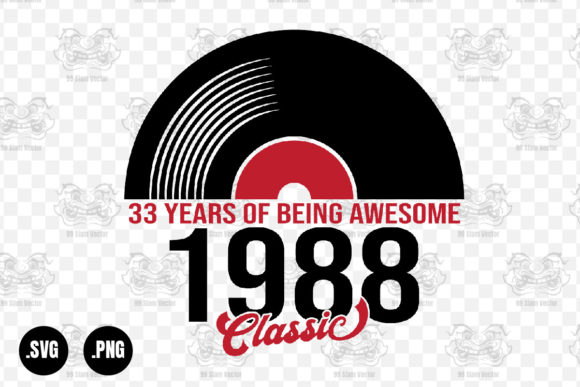
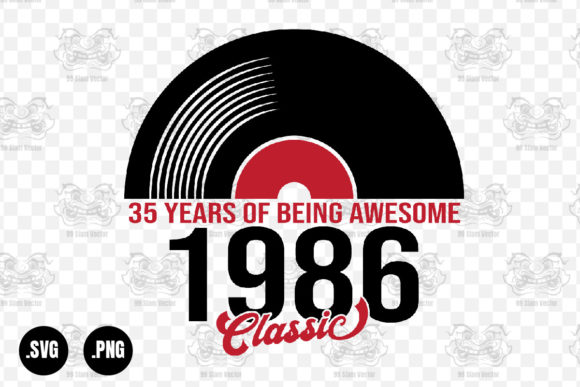
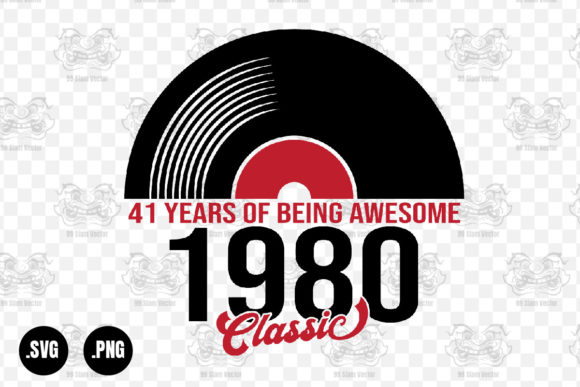
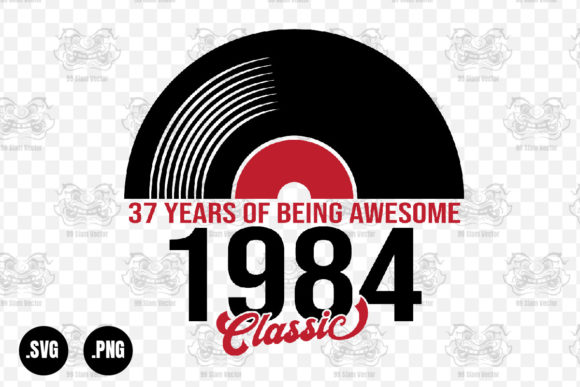
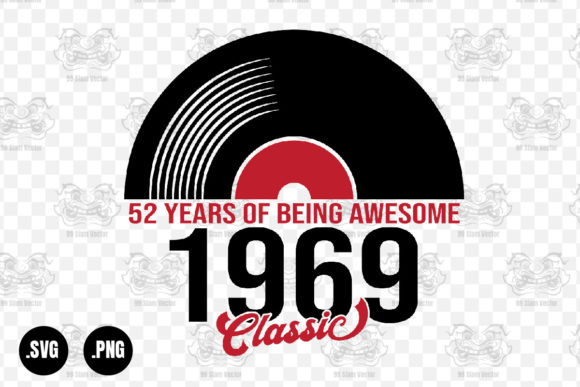
The visual personality of this design screams retro cool. A vinyl record motif combined with bold typography creates an immediate connection to music history and personal milestones. In the world of handmade goods, few themes resonate as strongly as the celebration of a birthday or a significant anniversary. This design feels like it belongs in a boutique shop dedicated to vintage aesthetics, but it also has the versatility to fit into a modern, clean aesthetic if stitched correctly. Before I even loaded the hoop, I could imagine the potential: a custom embroidered tote bag for a music teacher, a sweatshirt for a 52-year-old music lover, or a delicate baby outfit marking a family's journey through time.
Real-World Application: From Screen to Stitch
Let me take you through a real scenario I recently considered for this file. I was approached by a small business owner who wanted to create a limited run of aprons for a local coffee shop celebrating their 52nd anniversary. They loved the Classic 1969 Vinyl Music, 52 Years Svg concept because it tied their brand to a specific era without being too cluttered. My job was to determine if this design would hold up to the rigors of daily washing and heavy use.
The layout of the vinyl record provides a natural focal point, which is excellent for embroidery. Unlike text-heavy designs that can become blurry when stitched, the circular shape of the record offers a contained area for fill stitches. However, the typography requires careful consideration. If the lettering is too thin, it risks breaking down during the sewing process, especially on a textured fabric like canvas or denim. For the apron project, I decided to use a high-density satin stitch for the outline of the record and a clean running stitch for the smaller details. The result was a finished product that felt substantial and professional, elevating the perceived value of the apron significantly.
This same logic applies to other products. Imagine this design on a cap. The curved surface of a hat demands a design that can follow the contour without puckering. The Classic 1969 Vinyl Music, 52 Years Svg works well here because the central image is balanced, but the brim placement must be precise. If placed too low, the curve might distort the text. If placed too high, it looks disconnected. For a baby item, such as a onesie or a blanket, the design offers a sweet, personalized touch. The "52 years" aspect might seem old for a baby, but flipping the script to make it a "Happy Birthday" for a parent or a grandparent makes it a perfect gift. The key is understanding the context of the wearer.
Navigating Fabric and Texture Challenges
Not every fabric plays nice with every design. When evaluating Classic 1969 Vinyl Music, 52 Years Svg for commercial production, I always advise testing on scrap material first. Textured fabrics, such as bouclé or thick fleece, can hide fine details. If the design relies on tiny lines to define the grooves of the vinyl record, those lines might disappear completely in a rough weave. Similarly, stretchy fabrics like jersey or spandex require a stabilizer that can withstand tension without tearing. Without proper stabilization, the hoop marks left by the machine can ruin the final look, making a $30 shirt look like a cheap experiment.
Dark fabrics present another hurdle. While the design itself is likely monochromatic in the source file, the thread color choice becomes critical. A white vinyl record on a black t-shirt is a classic look, but it requires a high-quality underlay to prevent the dark fabric from showing through the stitches. If the thread count is too low, the black fabric will peek through, giving the appearance of a faded print rather than crisp embroidery. Conversely, light fabrics offer more flexibility, allowing for colorful threads that can bring the retro vibe to life. I often suggest using metallic threads for the outer rim of the record to catch the light and add a touch of luxury to the finished product.
Strategic Use Cases and Limitations
This design is versatile, but it is not a universal solution. Small hoop sizes are where designers often stumble. If you attempt to stitch this entire composition into a tiny 4x4 hoop, you may find that the details become compressed and illegible. The text might lose its clarity, and the record grooves could merge into a solid blob. For these smaller applications, consider cropping the design to focus solely on the record icon or the year, leaving the rest for a larger format like a tote bag or a pillow cover.
Layered garments, such as hoodies with pockets, can also pose challenges. The thickness of the pocket fabric can cause the needle to deflect, leading to misalignment. In these cases, placing the design on the chest rather than the pocket is safer. Additionally, products that need frequent washing, like work aprons or kids' clothes, should be tested for durability. Dense stitch areas can sometimes trap lint or wear down faster than lighter designs. If the design includes decorative accents or intricate corners, ensure they are reinforced with a tie-off stitch to prevent unraveling over time.
Design Judgment for Commercial Success
For Etsy sellers and small shop owners, the presentation of the finished product is just as important as the stitching itself. A well-executed Classic 1969 Vinyl Music, 52 Years Svg on a high-quality garment builds trust. Customers can tell the difference between a mass-produced print and a hand-stitched piece. The tactile quality of embroidery adds a layer of craftsmanship that justifies a higher price point. When creating mockups for your listings, test the design in black and white to ensure the contrast remains strong even before color is applied. This helps you visualize how the design will look against different backgrounds.
Thread color contrast is paramount. A mismatched thread can ruin the intended mood. If the goal is a vintage feel, muted tones like cream, mustard, or olive green can evoke a sense of age and history. Bright neon threads might clash with the retro theme unless the intent is a modern pop-art twist. Always review the stitch density before starting a full production run. High density looks luxurious but can make the fabric stiff; low density looks airy but might lack definition. Finding the balance ensures the embroidery project feels comfortable to wear and visually appealing.
Finally, never overlook the legal and technical aspects. Before selling finished items or digital products, confirm the licensing terms associated with the file. Some designs are restricted to personal use only, while others allow for commercial resale. Check the file formats provided; a standard embroidery file should include multiple formats to ensure compatibility with various machines. If the instructions do not specify the exact stitch count or recommended hoop size, do not guess. Test the design thoroughly to avoid costly mistakes.
In conclusion, Classic 1969 Vinyl Music, 52 Years Svg is a strong candidate for any maker looking to add a touch of musical nostalgia to their collection. Whether you are creating a personalized gift for a milestone birthday or building a line of boutique merchandise, this design offers a solid foundation. By paying attention to fabric texture, stabilizer choice, and stitch density, you can transform a simple digital graphic into a cherished heirloom. The difference between a good product and a great one often lies in the details, and this design rewards the care taken to execute it properly.