Vintage Retro Pickleball Silhouette Review
In the world of machine embroidery, finding a design that balances nostalgia with modern sporty energy is no small feat. As someone who has spent years evaluating digital assets for real-world production, I recently put Vintage Retro Pickleball Silhouette to the test. This isn't just another graphic file; it is a specific entry in the Crafts and Graphics category that promises a distinct aesthetic for pickleball enthusiasts. My goal here is to walk you through how this design actually behaves when it moves from a screen to a hoop, and whether it deserves a spot in your next commercial collection or personal gift.
The First Impression: Mood and Visual Personality
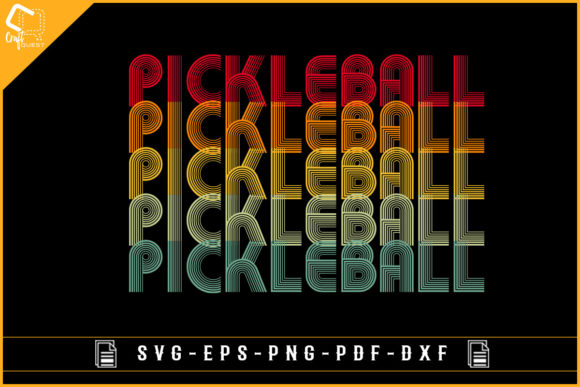
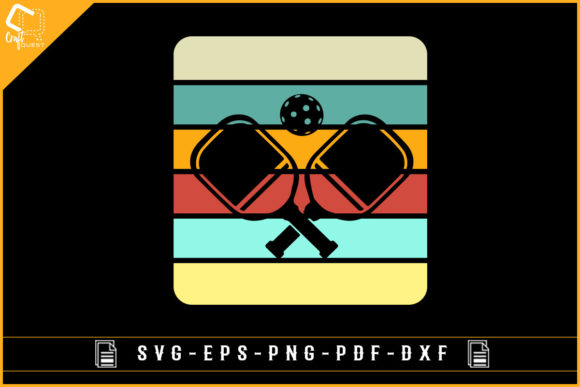
When you first open the files associated with Vintage Retro Pickleball Silhouette, the immediate takeaway is its clean, retro vibe. The silhouette approach strips away unnecessary clutter, focusing entirely on the shape of the player and the motion of the paddle. This creates a mood that feels both timeless and active. Unlike designs that rely heavily on intricate shading or complex gradients, this piece leans into bold outlines and negative space. It screams "80s gym class" meets "modern backyard tournament."
For an embroidery designer, this simplicity is a double-edged sword. On one hand, the lack of fine detail means fewer points of failure during stitching. On the other, it requires precise placement to ensure the silhouette doesn't look like a blob on textured fabric. The layout suggests a design meant to stand alone or perhaps serve as a central anchor for a larger composition involving text or vintage patterns. It feels right at home on a faded heather grey sweatshirt or a crisp white canvas tote bag.
Real-World Application: From Screen to Stitch
I decided to test Vintage Retro Pickleball Silhouette on a practical project: a custom embroidered tote bag for a local pickleball club event. The client wanted something that felt boutique but accessible, perfect for carrying paddles and water bottles. We selected a medium-weight cotton canvas, which is a forgiving fabric for most machine embroidery designs.
The results were promising. Because the design relies on a strong outline, likely utilizing a satin stitch for the edges, the definition held up well even on the slightly coarse texture of the canvas. The fill areas, if present, would need careful density management to prevent puckering, but the silhouette's open nature allowed the fabric grain to show through naturally, adding to the vintage charm. If this same design were applied to a baby onesie, the soft curves would translate beautifully, creating a personalized gift that parents would actually want to wear rather than hide in a drawer.
However, the versatility extends beyond bags. Imagine this design stitched onto a baseball cap. The curved surface of a cap can distort simple shapes, but the retro style of Vintage Retro Pickleball Silhouette helps mask minor stretching issues. It works equally well as an embroidered patch for a denim jacket or as a decorative element on a kitchen towel for the pickleball-loving hostess. The key is understanding that this is a statement piece; it needs room to breathe.
Where Caution is Required
While the design is robust, there are specific scenarios where Vintage Retro Pickleball Silhouette might struggle. Small hoop sizes are the first red flag. If you attempt to stitch this on a 4x4 inch hoop without scaling it down significantly, the details of the paddle handle or the player's stance could become muddy. Tiny lettering, if included in the file set, will be lost on fabrics with high texture like terry cloth or bouclé.
Stretchy fabrics require extra vigilance. A jersey knit polo shirt might cause the silhouette to warp if not stabilized correctly. Without a heavy-duty cut-away stabilizer, the tension of the stitches could pull the fabric out of alignment, ruining the clean lines of the retro shape. Similarly, dark fabrics demand high thread contrast. If the design is intended to be stitched in light threads, you must ensure the underlay is sufficient to cover the dark background, or the silhouette will appear ghostly and unfinished.
Impact on Product Value and Brand Consistency
For Etsy sellers and small business owners, the visual appeal of a finished product directly correlates to customer trust. A poorly executed embroidery job can make a handmade item look cheap, regardless of the quality of the materials used. Vintage Retro Pickleball Silhouette, when executed with proper technique, elevates the perceived value of the item. It signals that the maker understands design principles and cares about the final aesthetic.
This design fits seamlessly into a brand identity focused on lifestyle, sports, and community. It is recognizable enough to grab attention in a crowded marketplace but generic enough to fit various sub-niches within the pickleball world. Whether you are selling holiday gifts, wedding favors for sports-themed weddings, or merchandise for a boutique shop, this asset provides a consistent visual language. It avoids the trap of looking like a generic clip-art download by offering a cohesive, stylized look that resonates with hobbyists and professionals alike.
Practical Notes for the Embroidery Designer
Before you commit to a full production run using Vintage Retro Pickleball Silhouette, there are several technical steps you must take. First and foremost, always test the design on scrap fabric. This is non-negotiable. You need to verify how the stitch density interacts with your specific thread colors and fabric choice. Check the stitch count provided in the file metadata; if it is unusually high for the size of the design, you may encounter excessive bulk.
Review the file formats carefully. The product description mentions SVG, EPS, DXF, PNG, and PDF files. While these are excellent for cutting machines like Cricut, ensure you have the correct machine embroidery format (like .PES, .DST, or .EXP) if you intend to use it for stitching. Do not assume a vector file will work directly in your embroidery software without conversion. Confirm the hoop size requirements listed in the documentation to avoid wasting time setting up a design that won't fit your machine.
Inspect the small details closely. In a silhouette, the connection points between the paddle and the hand, or the curve of the legs, are critical. Run a black-and-white mockup of the design to see if the contrast holds up before committing to expensive threads. If you plan to sell finished items commercially, review the licensing terms explicitly. Some digital products allow for personal use only, while others grant limited commercial rights. Verify whether you are allowed to sell the physical goods created with Vintage Retro Pickleball Silhouette or if you are restricted to selling the digital file itself.
Final Thoughts on Design Assets
Vintage Retro Pickleball Silhouette is more than just a pretty image; it is a functional tool for creative entrepreneurs. Its strength lies in its clarity and nostalgic appeal, making it ideal for custom apparel, personalized gifts, and craft business items. However, success depends entirely on the execution. By paying attention to stabilizer choices, thread contrasts, and hoop limitations, you can transform this digital asset into a high-quality finished product that customers will love.
Whether you are a seasoned embroiderer looking to expand your catalog or a hobbyist crafting a unique gift for a friend, this design offers a solid foundation. Just remember to test thoroughly, respect the fabric constraints, and let the retro vibe shine through in every stitch. When done right, it becomes a standout piece in any handmade collection.