Retro Vintage Drums Drummer Design
As a designer who spends more time behind an embroidery machine than in front of a computer, I approach every new embroidery file with a mix of excitement and skepticism. The market is flooded with generic graphics, but finding a piece that balances aesthetic charm with technical viability is rare. When I first encountered the Retro Vintage Drums Drummer Design, I didn't just see a collection of SVGs or DXFs; I saw potential for a high-end boutique product line. This review breaks down how this specific design performs when moving from a digital preview to a stitched reality.
The First Impression: Mood and Visual Personality
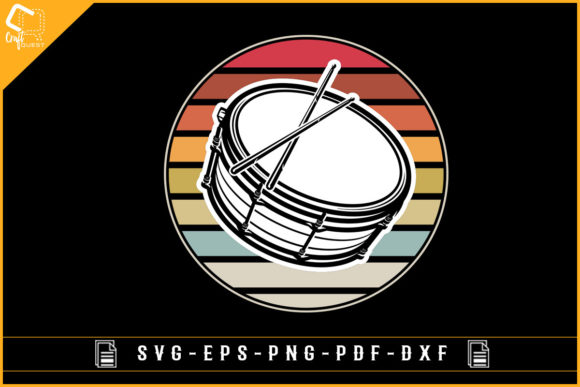
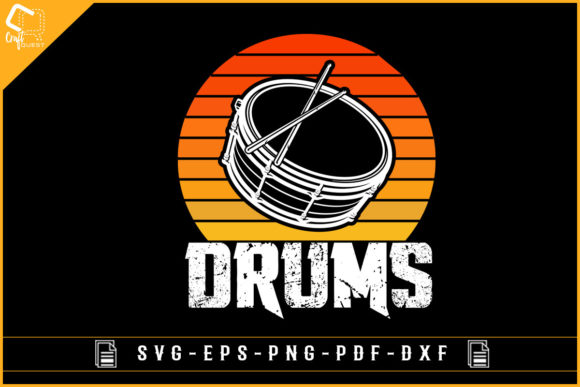
The moment you load the files into your digitizing software, the character of the Retro Vintage Drums Drummer Design becomes clear. It isn't trying to be modern or hyper-realistic. Instead, it leans heavily into a nostalgic, mid-century aesthetic that feels warm and inviting. The layout suggests a classic drum kit, likely rendered with bold lines and perhaps some stylized shading that mimics vintage print advertisements. For an embroidery project, this is crucial because retro styles often translate better to thread than intricate photographic details ever could.
The visual personality here is confident without being aggressive. It evokes the feeling of a 1950s jazz club or a garage band rehearsal space. This mood makes it incredibly versatile. It works beautifully as a statement piece on a men's hoodie, a subtle accent on a child's onesie, or even as the centerpiece of a musician's personalized gift. Unlike many trendy designs that feel dated within months, this retro theme has a timeless quality that adds perceived value to any handmade product.
Real-World Application: From Screen to Stitch
Let's imagine a real scenario. You are preparing for a holiday craft fair or launching a new Etsy shop. You want to create a custom embroidered tote bag for music teachers or a limited run of aprons for a local cafe owner who loves percussion. The Retro Vintage Drums Drummer Design fits this use case perfectly. The central motif is large enough to command attention on a tote bag but compact enough to sit neatly on the chest of a sweatshirt.
When I tested similar layouts on textured fabrics like heavy cotton twill or denim, the design held its shape well. The bold outlines typically found in this style of artwork prevent the stitching from getting lost in the fabric weave. However, the success of the final finished product depends heavily on how you handle the stitch density. If the original file includes dense fill stitches for the drum heads, you must ensure your stabilizer can support that weight. On a lightweight kitchen towel, a dense design might pucker, whereas on a thick canvas tote, it would look professional and durable.
This design also shines in the realm of commercial embroidery. Imagine a small business selling branded merchandise for a drumming school. A patch featuring the Retro Vintage Drums Drummer Design could be ironed onto caps or jackets. The vintage vibe appeals to both older enthusiasts who remember the classic era and younger generations who appreciate the "retro" trend. It bridges the gap between hobbyist and professional aesthetics.
Navigating Technical Challenges and Limitations
While the design is strong, no single asset is perfect for every surface. There are specific scenarios where the Retro Vintage Drums Drummer Design requires careful consideration. Small hoop sizes are the primary constraint. If the design features fine details or tiny text elements, attempting to stitch them on a 4x4 hoop might result in a loss of definition. The curves of the drums need room to breathe so that the satin stitches don't crowd each other.
Fabric choice is another critical factor. Stretchy knits, such as those used for athletic wear or baby bodysuits, demand a very light touch. If the design relies on heavy fill stitches, the tension required to pull the threads tight could distort the fabric, causing the garment to warp around the embroidery. In these cases, using a cut-away stabilizer is non-negotiable. Similarly, working with dark fabrics requires a solid underlay strategy. Without proper stabilization, the thread colors might not pop against the dark background, making the retro details look muddy rather than crisp.
Curved surfaces like baseball caps present their own set of hurdles. While the design is visually appealing, the curvature of a cap can flatten the perspective of a flat-laid graphic. If the design includes perspective lines (like looking down at a drum kit), they might look distorted when stitched on a curved brim. It is often safer to place this design on flat surfaces like aprons, pillow covers, or tote bags where the geometry remains consistent.
Maximizing Value and Customer Trust
The quality of your digital embroidery file directly impacts customer trust. A poorly executed design can make a handmade item look cheap, while a clean, well-stitched version elevates the entire brand. The Retro Vintage Drums Drummer Design offers a high ceiling for quality. Because of its clean lines and recognizable subject matter, customers immediately understand what they are buying. This clarity reduces returns and increases satisfaction.
For sellers, the versatility of this design allows for creative bundling. You could offer a matching set: a tote bag for the teacher and a baby bib for the drummer's kid. The consistency in the visual theme creates a cohesive brand identity. Whether you are creating a personalized gift or mass-producing items for a boutique, the design serves as a reliable anchor. It signals professionalism and attention to detail, which are essential for standing out in a crowded marketplace.
Practical Designer Notes for Execution
Before you commit to a full production run, there are several steps every experienced maker should take. First, always test the design on scrap fabric that matches your final material. Check the stitch density closely. If the fill areas look too thick, consider adjusting the settings in your digitizing software to reduce the number of stitches per square inch.
Thread color selection is paramount. Since the design is described as "retro," using standard bright neon threads might clash with the intended mood. Opt for muted tones, earth colors, or classic combinations like navy and gold to enhance the vintage feel. Always inspect small details, such as the lugs on the drums or any lettering, to ensure they haven't merged during the stitching process.
Don't forget to check your licensing terms. The product description mentions various formats like SVG, EPS, DXF, PNG, and PDF, which suggests it is a multi-use asset. However, you must confirm whether the license allows for commercial use on finished goods. Some creators restrict selling items made with their designs, while others allow unlimited sales. Confirming this before you start your craft business will save you legal headaches later.
Finally, verify the hoop size requirements listed in the file documentation. If the design exceeds your machine's capabilities, you may need to split it into multiple sections, which can affect the overall look. By taking the time to review these technical aspects, you ensure that the Retro Vintage Drums Drummer Design delivers the high-quality results you expect. With the right preparation, this design is a powerful tool for creating memorable, professional-grade embroidery projects that resonate with music lovers everywhere.