Classic of 1937 Svg Review for Embroidery Pros
As a designer who has spent years refining the art of digitizing and stitching, I know that finding the right embroidery file is often less about the technical specs and more about the story it tells. When I first pulled up the Classic of 1937 Svg, Classic 1937 Svg, 1, my immediate reaction was one of nostalgic recognition. It isn't just another generic year design; it carries a specific weight of history and style that feels perfect for anyone looking to create meaningful handmade product lines or personalized gifts.
This review comes from the perspective of someone who actually stitches these designs onto real fabric, not just someone who previews them on a screen. We are going to look at how this machine embroidery design behaves in the hoop, its potential for commercial use, and where it might struggle when applied to complex projects.
The First Stitch: Visual Personality and Mood
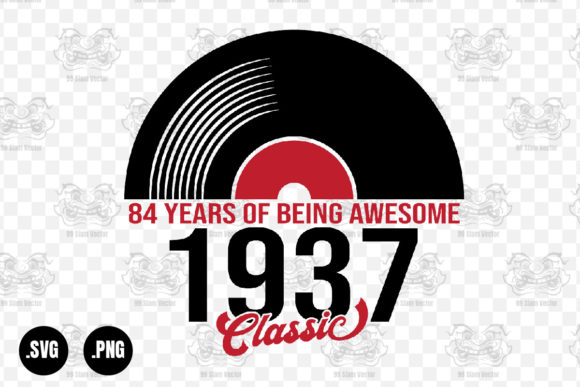
The moment you unbox a digital download like the Classic of 1937 Svg, Classic 1937 Svg, 1, you are assessing its visual personality. The description mentions a "red design," which immediately suggests a bold, patriotic, or vintage aesthetic. In the world of embroidery project planning, color contrast is king. A classic red against a neutral background creates an instant focal point that draws the eye.
The layout appears to lean towards a retro vibe, fitting perfectly into the "vintage 1937" and "Retro 1937" themes mentioned in the listing. For a small business owner or an Etsy seller, this is crucial. Customers don't just buy a shirt with a date on it; they buy the feeling of heritage. This design taps into that desire for authenticity. Whether you are creating a custom apparel piece for a milestone birthday or a boutique item for a shop, the mood here is warm, established, and timeless.
However, as a reviewer, I have to be realistic about the details. If the design includes intricate script or tiny decorative elements typical of 1930s typography, we need to ensure those details will hold up under the needle. A design that looks crisp on a monitor can sometimes lose definition if the stitch density is too high or the thread count is insufficient. The Classic of 1937 Svg, Classic 1937 Svg, 1 seems designed to balance legibility with artistic flair, but that balance must be tested before mass production.
Real-World Application: From Tote Bags to Baby Gifts
Let's imagine a real scenario. You are preparing for the holiday season, and you want to launch a line of custom embroidered tote bags featuring this design. The goal is to create a unique gift for a grandmother celebrating her 85th birthday, marking the year she was born. The Classic of 1937 Svg, Classic 1937 Svg, 1 fits this narrative perfectly.
When applying this to a canvas tote bag, the sturdy fabric provides an excellent base. The design likely works well as a central chest placement or even centered on the front panel. The red element would pop beautifully against natural canvas, denim, or even a soft black cotton blend. This versatility makes it a strong candidate for a tote bag design that appeals to a wide demographic.
But the utility doesn't stop there. Consider a sweatshirt embroidery project for a family reunion. The slightly larger scale of a crewneck allows the design to breathe, preventing it from looking cramped. The "retro" feel aligns well with the current trend of vintage-inspired fashion. Similarly, for a baby item, such as a onesie or a nursery pillow cover, the classic font style offers a touch of elegance without being overly childish. It bridges the gap between a modern digital embroidery file and a traditional craft aesthetic.
I also see potential in using this as a base for a commercial embroidery brand. Imagine a collection of kitchen towels or aprons featuring this date alongside other significant years. It creates a cohesive brand identity for a small shop product line. The design acts as a reliable anchor that customers recognize as part of your curated collection.
Where Caution is Required: Fabric and Surface Challenges
While the Classic of 1937 Svg, Classic 1937 Svg, 1 shows great promise, no design is universally perfect. As an experienced designer, I always advise testing before committing to a full run, especially when dealing with specific fabric constraints. One area where this design might face challenges is on curved surfaces like caps or hats. The curvature can distort the geometry of the text, making letters appear stretched or squashed if the digitization isn't specifically optimized for a 6-panel cap format.
Texture is another factor. If you plan to stitch this on a heavily textured fabric like bouclé or a thick fleece, the fine details might get lost in the weave. Conversely, on thin or stretchy fabrics like jersey knits, the tension required for a clean satin stitch could cause puckering. In these cases, the choice of stabilizer becomes critical. You may need a cut-away stabilizer to maintain the integrity of the design over time, rather than a tear-away which might pull away from the delicate threads.
We must also consider the size of the design relative to the hoop. If the original vector includes very small lettering or decorative accents, shrinking it down to fit a small hoop size (like a 4x4) could result in a loss of clarity. Tiny details often require a higher thread count and careful stitch density management to prevent the fabric from becoming stiff or the design from breaking apart during washing. If the design relies on a running stitch for outlines, ensure the spacing is wide enough so the thread doesn't break easily.
Design Judgment: Value, Trust, and Professionalism
The success of any commercial embroidery project hinges on the perceived value of the finished product. A well-executed embroidery project builds customer trust. When a client receives a garment with a sharp, clear Classic of 1937 Svg, Classic 1937 Svg, 1 that sits flat and looks intentional, they associate that quality with your entire brand. On the other hand, a sloppy application with loose threads or misaligned colors can undermine years of building a reputation.
This design asset contributes to a sense of professionalism. It signals that you care about the details, whether you are selling a single personalized gift or a bulk order of holiday embroidery items. The vintage theme adds a layer of sophistication that can elevate a basic t-shirt into a statement piece. For an Etsy seller or creative entrepreneur, having a library of versatile, high-quality design assets like this is essential for maintaining a consistent and appealing storefront.
It is also worth noting the impact on buyer engagement. Designs that evoke emotion or nostalgia tend to perform better in marketing materials. Using a printable mockup that showcases this design on a variety of products can help visualize the end result for potential buyers. The red color, in particular, is attention-grabbing and works well in thumbnails and social media posts.
Practical Designer Notes for Success
Before you start stitching, there are several steps every professional should take to ensure the best outcome. First and foremost, test the Classic of 1937 Svg, Classic 1937 Svg, 1 on scrap fabric that matches your final project material. This simple step reveals issues with thread tension, stabilizer selection, and fabric distortion before you ruin a customer's item.
Check your thread color contrast carefully. While the description highlights a red design, ensure that the chosen thread shade complements your fabric. A bright scarlet might clash with a dark navy, while a deep burgundy might disappear on a maroon shirt. Review the stitch density in your digitizing software; if the fill areas are too dense, the fabric may pucker, but if they are too sparse, the design will look patchy.
Confirm your hoop size and machine compatibility. Although the listing provides SVG and PNG files, you will need to convert these into a format compatible with your embroidery machine, such as .DST, .PES, or .EXP, depending on your brand. Ensure that the conversion process preserves the original intent of the Classic of 1937 Svg, Classic 1937 Svg, 1. Also, inspect small details closely. Sometimes, converting from a vector to a stitch file can introduce unwanted artifacts or merge paths that were meant to be separate.
Finally, verify the licensing terms. If you intend to sell finished items created with this design, you must confirm that the license permits commercial use. Some digital downloads are for personal use only, while others allow you to sell a limited number of physical goods. Understanding these boundaries protects your craft business from legal issues.
In conclusion, the Classic of 1937 Svg, Classic 1937 Svg, 1 offers a compelling blend of vintage charm and practical utility. It is a versatile tool for designers, makers, and entrepreneurs who want to add a touch of history to their work. With careful planning and proper execution, it can become a staple in your portfolio of Graphics and Crafts offerings.