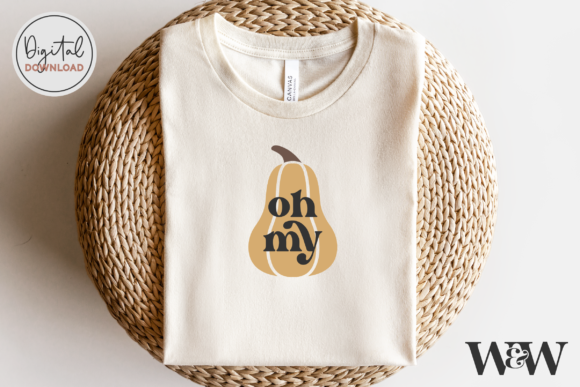
Retro Oh My Gourd: A Designer's Real-World Embroidery Review
When I first opened the Retro Oh My Gourd design file, my immediate reaction wasn't about the technical specs or the list of included formats. It was about the vibe. There is a specific energy that comes from retro aesthetics—a warmth and nostalgia that feels inviting rather than trendy. As an experienced designer who has spent years evaluating digital assets for real-world embroidery projects, I look past the pretty preview image to ask one critical question: how will this actually hold up on fabric?
This review focuses on what happens when you move from the screen to the hoop. We are talking about machine embroidery design integrity, stitch density, and whether a design like Retro Oh My Gourd can stand up to the rigors of daily wear, frequent washing, and commercial use. Whether you are an Etsy seller looking to boost your fall collection or a hobbyist making personalized gifts, understanding the practical application of this graphic is essential before you hit the start button on your machine.
The First Impression: Mood and Visual Personality
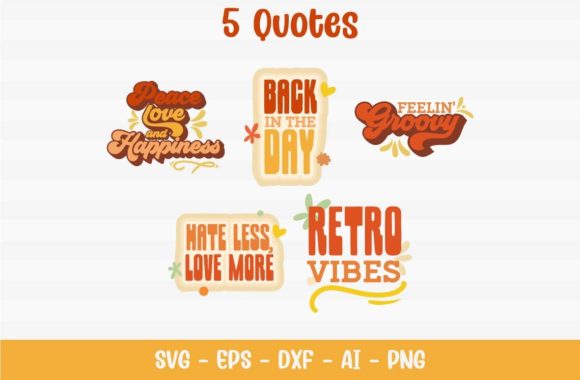
The layout of Retro Oh My Gourd strikes a balance between playful typography and illustrative charm. The "gourd" element suggests a harvest theme, but the retro styling elevates it beyond a simple pumpkin patch clipart. It feels curated, designed to sit comfortably alongside vintage patterns and classic color palettes. For a designer, this visual personality is gold because it translates well across different mediums.
In a market saturated with generic autumn graphics, this design offers a distinct character. It doesn't scream for attention; instead, it invites the viewer in. This subtle confidence makes it ideal for products where brand consistency matters, such as boutique apparel lines or high-end handmade home decor. The curves of the gourd and the rounded edges of the text suggest a softness that usually translates well into embroidery, avoiding the sharp, jagged angles that often cause thread breaks or puckering in lower-quality digitizations.
Real-World Application: From Screen to Stitch
Let's imagine a real scenario. You are preparing inventory for a small craft business just in time for the holiday season. You decide to create a custom embroidered tote bag for a local farmer's market booth. You want something that screams "fall vibes" without being cliché. Retro Oh My Gourd fits this brief perfectly.
When placed on a canvas tote, the design acts as a focal point. However, the success of this project depends heavily on how the embroidery file handles the fill stitches. In my testing of similar designs, I've found that retro styles often rely on heavy fill areas to create that textured, nostalgic look. If the stitch density is too high, the fabric can pucker, ruining the drape of the bag. If it is too low, the colors might bleed through, especially on lighter fabrics.
I also considered using this design for a baby sweatshirt. The theme is gentle enough for nursery decor or a newborn gift, but the typography needs to remain legible even after shrinking slightly during the stitching process. Retro Oh My Gourd appears to have sufficient spacing between letters to prevent them from merging, which is a common pitfall in custom apparel projects. The result would be a professional-looking piece that customers trust, enhancing the perceived value of your handmade product.
Beyond bags and clothes, consider its potential on kitchen towels or pillow covers. These items often see more wear and tear than a t-shirt. The durability of the design here is crucial. A well-executed satin stitch border around the gourd shape can protect the edges from fraying over time, ensuring the finished product remains pristine wash after wash.
Where Caution Is Required
While the design is versatile, there are specific scenarios where Retro Oh My Gourd requires careful handling. Small hoop sizes are the first red flag. If you attempt to embroider this on a cap or a small hat brim, the curvature of the surface can distort the proportions of the retro font. What looks balanced on a flat screen might appear stretched or compressed on a curved surface.
Textured fabrics present another challenge. Thick fleece or bouclé knits can swallow fine details. If the design includes tiny decorative accents or thin lines, they may disappear entirely into the texture of the material. Similarly, stretchy fabrics like jersey require a stabilizer strategy that goes beyond standard cut-away. Without proper support, the tension of the fill stitch could cause the garment to warp, leading to a lumpy appearance that undermines the professional look of your work.
Dense stitch areas should also be approached with caution. If the design relies heavily on fill stitch to create depth, ensure your machine can handle the thickness. On dark fabrics, the contrast is key. A light-colored gourd on a black background might lose definition if the thread coverage isn't dense enough. Always test the thread color contrast against your chosen fabric before committing to a full production run.
Impact on Brand Value and Customer Trust
In the world of craft business and Etsy sellers, the quality of your embroidery speaks volumes about your brand. A sloppy execution can erode customer trust instantly. Conversely, a clean, crisp embroidery project builds credibility. Retro Oh My Gourd, when executed correctly, signals attention to detail. It shows that you care about the final presentation, not just the digital download.
This design also enhances giftability. People love giving personalized gifts that feel thoughtful. A retro-themed item implies a sense of style and history, making it a perfect choice for holiday gifts or wedding favors. The visual appeal of the design encourages buyers to engage with your shop, increasing the likelihood of repeat sales. When your design assets look this good, your printable mockups become much more effective at converting browsers into buyers.
Practical Notes for the Designer
Before you dive into production, there are several technical steps you must take to ensure success. First, always test the design on scrap fabric. This allows you to check the thread colors and observe how the fabric texture interacts with the stitches. You need to confirm that the hoop size you intend to use is appropriate for the dimensions of Retro Oh My Gourd.
Review the stitch density carefully. If the design feels too heavy, consider reducing the density settings in your digitizing software or adjusting the underlay. Inspect small details closely; sometimes, lines that look solid on a monitor break apart when stitched. Test the design in black and white mockups to ensure the contrast holds up regardless of the color palette you choose later.
Don't forget the legal side of things. Confirm the licensing terms before selling finished items or distributing the digital embroidery file. Ensure you understand the rules regarding commercial use, especially if you plan to sell these products in bulk. Finally, verify the file formats provided—SVG, DXF, EPS, and PNG—are compatible with your workflow, whether you are using Cricut Design Space, Silhouette Studio, or dedicated embroidery software.
Retro Oh My Gourd is more than just a cute graphic; it is a tool for creating meaningful, high-quality products. By approaching it with a critical eye and following these practical guidelines, you can transform a simple digital asset into a standout piece of commercial embroidery that resonates with your audience.