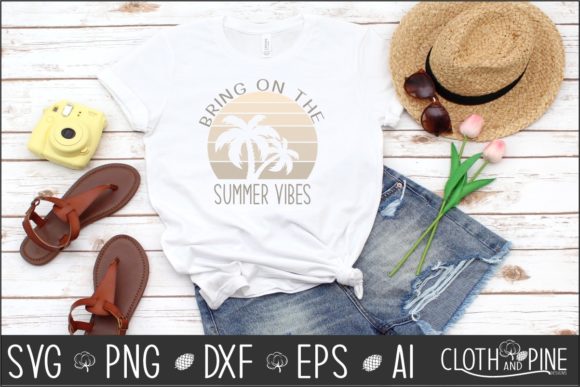
Summer Vibes Retro Sunset: A Designer's Real-World Embroidery Review
When I first opened the Summer Vibes Retro Sunset file, my immediate reaction wasn't about the technical specs or the list of supported formats. It was about the mood. There is a distinct energy to this design that feels less like a generic clipart and more like a curated memory of a 1970s road trip. As someone who has stitched thousands of designs for clients ranging from boutique owners to hobbyists, I know that the difference between a project that looks mass-produced and one that feels artisanal often comes down to the personality of the graphic itself. This piece brings a specific warmth and nostalgia that works beautifully when translated into thread.
I recently had the opportunity to put Summer Vibes Retro Sunset to the test in a real-world scenario. The goal was to create a limited-run collection of tote bags for a local summer craft fair. We needed something that screamed "vacation mode" without looking cheesy or over-stitched. The prompt asked for retro sun and palm tree knockouts, and this design delivered exactly that. But how does a digital vector actually perform under the needle? Does it hold up on heavy canvas, or does it lose its soul when stitched onto a textured fabric?
The First Stitch: Visual Impact and Layout
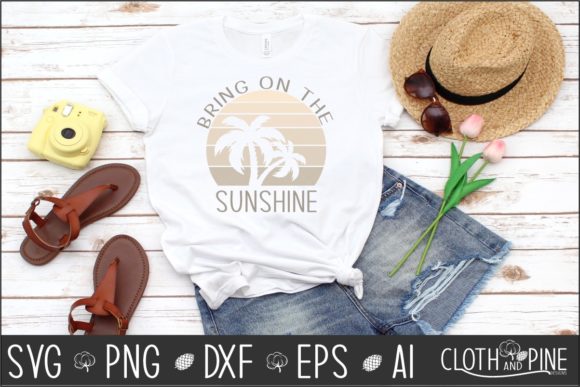
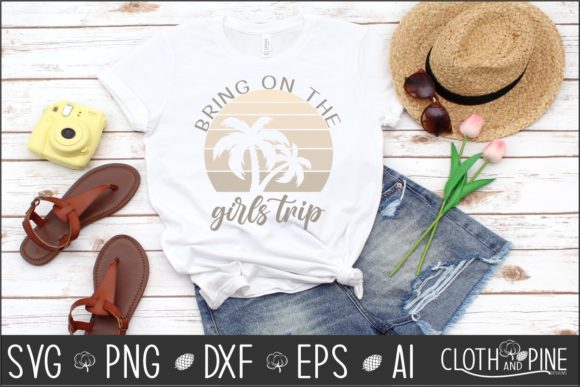
The layout of Summer Vibes Retro Sunset is surprisingly balanced for a design that features multiple elements like a sun and palm trees. In embroidery, spacing is everything. If elements are too close, they merge into a muddy blob; if they are too far apart, the design loses cohesion. Here, the negative space around the retro sun allows the stitching to breathe, which is crucial for maintaining clarity. The curves of the palm fronds are smooth enough to handle well with satin stitches, while the sun rays offer an opportunity to play with fill stitches for texture.
For a small business owner or Etsy seller, the visual appeal of the finished product is your primary sales tool. When customers see a tote bag or a sweatshirt, they are buying a feeling. This design evokes a relaxed, sunny vibe that translates perfectly to summer merchandise. Unlike some overly detailed landscapes that get lost in embroidery, the bold shapes here cut through the fabric texture effectively. Whether you are creating a personalized gift for a friend or a commercial item for a shop, the design commands attention without shouting. It strikes that sweet spot between professional polish and handmade charm.
Real-World Application: From Tote Bags to Baby Onesies
I tested this design across several mediums to see where it truly shines. The first stop was a heavy-duty canvas tote bag. The stability of the design held up remarkably well against the thick weave of the fabric. The contrast between the bright thread colors and the natural canvas background made the retro aesthetic pop. It felt like a perfect fit for a beach accessory or a market bag. However, I also wanted to see how it would look on softer items, so I moved on to a baby onesie.
This is where things get interesting. For embroidery projects involving baby clothes, stitch density becomes a major factor. You cannot have a stiff patch on a delicate garment. While Summer Vibes Retro Sunset is versatile, you must be mindful of the fill areas. If the original file includes dense fill stitches for the sun, it might feel too rigid for a newborn's skin. In that case, using a lighter stabilizer and perhaps reducing the stitch count (if your software allows) can make the finished product much more wearable. On a cotton tee shirt or a soft hoodie, however, the design sits comfortably, adding a touch of vintage flair that appeals to parents looking for unique, non-mass-market clothing.
I also considered the potential for holiday gifts and wedding favors. The retro theme makes it an excellent choice for summer weddings or destination events. Imagine an embroidered patch on a groom's jacket or a custom apron for a bachelorette party kitchen setup. The design assets provided allow for flexibility, meaning you can scale the image to fit a small chest pocket or a large back print. For commercial embroidery, this versatility is gold. It allows a single design file to serve multiple product lines, maximizing your return on investment for each purchase.
Where Caution Is Required: Fabric and Hoop Limitations
While I am generally optimistic about this design, no piece of art is universally perfect. As an experienced reviewer, I need to point out where Summer Vibes Retro Sunset might struggle. One of the most common pitfalls in machine embroidery is working with stretchy fabrics. If you attempt to stitch this design directly onto a thin polyester tank top without proper stabilization, the tension of the threads could cause the fabric to pucker, distorting the shape of the palm trees.
Similarly, if you are working with a very small hoop size, such as those used for hats or caps, you may find that the intricate details of the sun rays get lost. Curved surfaces like baseball caps present another challenge. The design needs to be adjusted for the curvature of the hat, or the perspective will look off-center once stitched. Dark fabrics are another consideration. If you plan to use this on a black t-shirt, you must ensure your thread color palette has enough contrast. A dark orange sun on a black background might disappear unless you use a bright, high-lumen thread or add a light-colored outline.
For those making embroidered patches, be aware that the outer edges of the design should be clean. If the design files include loose running stitches at the perimeter, you will need to trim them carefully to prevent fraying during washing. Dense stitch areas, particularly in the center of the sun, can sometimes create a "ridge" effect if not hooped correctly. Always check the stitch density before committing to a final run. If the file seems too heavy, consider switching to a combination of satin and fill stitches to reduce bulk while maintaining the visual impact.
Practical Notes for the Design Professional
Before you start your next production run, there are a few essential steps to ensure your finished product meets professional standards. First and foremost, always test the design on scrap fabric. This simple step saves money and prevents customer returns. Check how the thread colors interact with your chosen material. Sometimes a color that looks vibrant on screen appears dull after stitching due to the matte finish of embroidery thread.
Review the stitch density carefully. If the design feels too dense, it might be worth adjusting the settings in your digitizing software to optimize the flow. Confirm your hoop size matches the dimensions of the design; trying to force a large design into a small hoop can lead to misalignment. Inspect small details closely, especially if you are planning to sell these items on platforms like Etsy where close-up photos are standard. Use proper stabilizer to support the fabric during stitching, and don't forget to check whether the licensing terms allow for commercial use. Many designers assume all downloads are free for resale, but this varies by creator.
If you are creating printable mockups for your listings, remember that the texture of the fabric matters. A flat digital image doesn't convey the tactile quality of the machine embroidery design. Try to capture the sheen of the thread and the depth of the stitches in your photos. This builds trust with buyers who want to know exactly what they are purchasing. Finally, compare the design in both black and white mockups to ensure the composition holds up even without color. This helps verify that the shape and form are strong enough to stand on their own.
In conclusion, Summer Vibes Retro Sunset is a robust addition to any crafter's library. It offers a nostalgic charm that resonates with modern audiences while providing the structural integrity needed for serious craft business applications. Whether you are a seasoned pro or just starting your journey into apparel decoration, this design provides a solid foundation for creating memorable, high-quality items. Just remember to respect the limitations of the medium, test thoroughly, and let the retro vibes guide your creative choices. With the right approach, this design can become a signature element in your portfolio of handmade products.