Retro Vintage Dirt Bike Sublimation Review
When I first opened the Retro Vintage Dirt Bike Sublimation file, my immediate thought wasn't about the technical specs or the list of supported formats. Instead, I was struck by the mood it projected. It carries that specific nostalgia for dusty trails and classic two-stroke engines that every dirt biker understands. As a designer who spends hours evaluating digital assets for real-world embroidery projects, I look for more than just a pretty image; I need to know how it translates from a screen to a needle. This design feels like it belongs in a garage workshop, on a weathered leather jacket, or perhaps hanging as a centerpiece in a child's nursery themed around adventure.
First Impressions: The Vibe of the Design
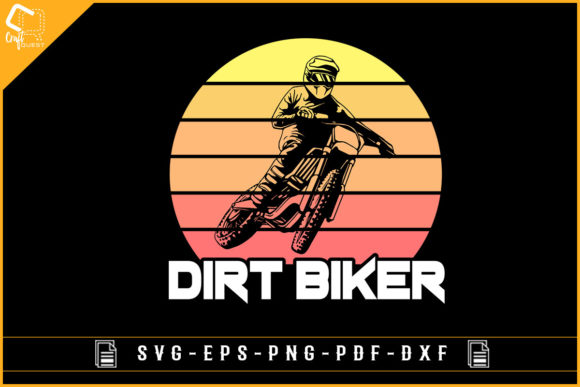
The visual personality of Retro Vintage Dirt Bike Sublimation is distinctively rugged yet polished enough for boutique merchandise. The layout suggests a balance between detailed mechanical elements and the worn aesthetic of vintage posters. For an embroidery project, this is crucial because we are dealing with thread, which has its own texture and limitations compared to ink or sublimation dye. The lines appear clean, which usually indicates good potential for stitch clarity, but the "retro" style often relies on subtle gradients or distressed textures that can be tricky to replicate perfectly with thread.
I imagine this design immediately on a heavy-duty canvas tote bag or a thick cotton sweatshirt. The theme resonates strongly with hobbyists and small business owners looking to tap into the outdoor recreation market. It isn't just a graphic; it tells a story of freedom and adrenaline. When you hold the concept of Retro Vintage Dirt Bike Sublimation in your hands, you realize it fits naturally into the Crafts and Graphics categories, specifically targeting those who value handmade authenticity over mass-produced perfection.
Real-World Application: From Screen to Stitch
Let's talk about a scenario I encounter often in my own workflow. Imagine a client comes to me wanting a custom embroidered patch for their local dirt bike club, or perhaps they need a batch of personalized gifts for a holiday sale. They choose Retro Vintage Dirt Bike Sublimation as the focal point for a baby onesie or a high-quality apron for a mechanic shop. How does it perform?
In a commercial embroidery setting, the success of Retro Vintage Dirt Bike Sublimation depends heavily on the fabric choice. On a smooth, dense fabric like a twill cap or a premium hoodie, the design would likely shine. The retro lines would catch the light well, giving the finished product a professional sheen. However, if you attempt to place this on a highly textured fabric, like a rough wool blend or a loose-knit sweater, the details might get lost in the weave. The contrast between the thread and the background becomes the most critical factor here.
For Etsy sellers and craft fair vendors, this design offers a unique selling proposition. A set of embroidered kitchen towels featuring Retro Vintage Dirt Bike Sublimation could be a massive hit for a gift-giving season. It bridges the gap between a niche hobby and home decor. Similarly, using this as a design asset for a small shop selling branded merchandise allows you to create a cohesive brand identity. Customers trust brands that pay attention to detail, and a well-executed embroidery job signals quality.
Where Caution Is Required
While the design is promising, no machine embroidery design is without its pitfalls. If you are working with a very small hoop size, such as one intended for a hat cuff or a tiny pocket placement, you must scrutinize the intricate corners of Retro Vintage Dirt Bike Sublimation. Tiny lettering or fine mesh details often break down when scaled down too far. The thread density required to fill these areas might cause puckering, especially on stretchy fabrics like jersey or spandex blends.
Dark fabrics present another challenge. Unless you plan to use a heavy underlay or a backing that adds significant bulk, the design might not pop against a black or navy background. In these cases, the visual appeal of the finished product could suffer if the thread colors aren't carefully selected for maximum contrast. Furthermore, if you are planning to wash these items frequently, such as work aprons or kids' clothes, you need to ensure the stitch density is sufficient to withstand abrasion without fraying.
Curved surfaces like baseball caps require special attention. While Retro Vintage Dirt Bike Sublimation looks great flat, the distortion caused by the curve of a cap can alter the proportions of the bike or the text. It is essential to test the digitization on the actual curved surface before committing to a large production run. If the design includes layered elements, ensure they align correctly after the fabric stretches slightly during the stitching process.
Practical Designer Notes for Success
Before you load this file into your embroidery machine, there are several steps I recommend taking to guarantee a successful outcome. First and foremost, always test the design on scrap fabric. This simple step saves time and material. Check the thread color contrast by creating a mockup or running a test stitch in the exact colors you intend to use. You might find that a lighter shade works better than you expected, or that a darker shade is necessary to cut through the fabric texture.
Review the stitch density carefully. High-density designs can sometimes lead to a stiff, uncomfortable finish, particularly on baby clothing or soft apparel. Confirm the hoop size requirements to ensure the design fits your intended garment without cutting off important details. Inspect small details like the spokes of the wheel or any script text; these are often the first things to degrade if the file isn't optimized for embroidery.
It is also wise to test the design in black and white mockups. This helps you visualize the contrast and composition without the distraction of color. Compare how it looks on both light and dark fabric backgrounds to see if adjustments are needed. Always use proper stabilizer appropriate for the weight of your fabric; a lightweight stabilizer won't support a heavy fill stitch, while a heavy one might leave unsightly marks on delicate materials.
Finally, confirm the licensing terms before selling finished items. Many digital products come with restrictions on commercial use. Ensure that Retro Vintage Dirt Bike Sublimation allows you to sell the physical goods you create, or if it is strictly for personal use. This distinction is vital for protecting your craft business and avoiding legal issues.
Final Thoughts on Value and Appeal
Retro Vintage Dirt Bike Sublimation has the potential to elevate a standard embroidery project into something memorable. It captures a spirit of adventure that resonates with a wide audience, from hardcore riders to casual fans of vintage aesthetics. When executed correctly, it enhances the perceived value of your handmade products and strengthens customer trust in your brand.
Whether you are creating a personalized gift for a friend, stocking your Etsy shop with unique apparel, or designing promotional items for a boutique, this design offers a versatile foundation. Just remember that the magic lies in the execution. By paying attention to fabric texture, stitch density, and proper preparation, you can turn this digital file into a stunning finished product that stands out in a crowded market.
For designers and makers looking to add a touch of rugged nostalgia to their portfolio, Retro Vintage Dirt Bike Sublimation is a compelling choice. It invites creativity and offers a clear path to producing high-quality, commercially viable embroidery projects. With careful planning and a bit of trial and error, this design can become a staple in your collection of design assets.