Vintage Retro Zookeeper Sublimation Review
When I first opened the files for Vintage Retro Zookeeper Sublimation, I didn't just see a graphic; I saw a character with a story. As someone who spends hours evaluating machine embroidery design assets for my own boutique line, I look past the pretty preview images to understand how a file will actually behave on fabric. This piece falls squarely into the Crafts and Graphics categories, but its potential reaches far beyond simple digital downloads. It feels like a nostalgic throwback to classic zoo signage, perfect for anyone looking to add a touch of whimsical charm to their handmade product inventory.
The First Impression: Mood and Visual Personality
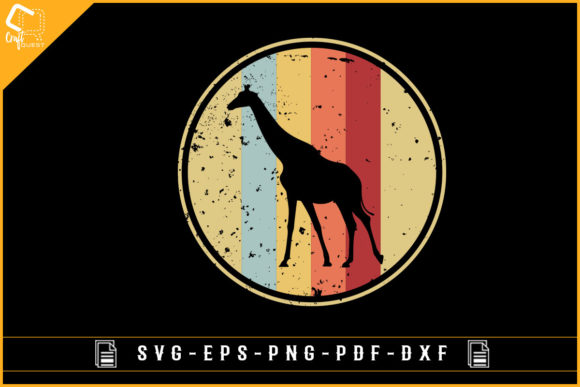
The immediate vibe of Vintage Retro Zookeeper Sublimation is warm and inviting. It captures that specific mid-century aesthetic that has become so popular in modern decor. The layout suggests a central figure surrounded by text, creating a balanced composition that works exceptionally well as a chest logo or a centered back print. Unlike many generic animal designs that feel flat, this one seems to have depth, relying on clean lines and retro typography to convey its message.
For an embroidery designer, the initial visual assessment is crucial. Does it translate from screen to thread? The design appears to rely heavily on satin stitch for outlines and bold lettering, which usually yields crisp results on stable fabrics. However, the "vintage" aspect implies some texture or shading that might require careful stitch density management to avoid puckering. It feels like a design meant to be worn with pride, suitable for a custom apparel project where the wearer wants to signal their profession or passion for animals.
Real-World Application: The Custom Tote Bag Scenario
To truly test the viability of Vintage Retro Zookeeper Sublimation, I imagine taking it straight into production for a local craft fair. Let's say I am preparing a custom embroidered tote bag for a client who works at a city zoo. They want something professional yet fun to wear during their shifts or while selling merchandise.
I would place this design on the front left chest of a heavy-duty canvas tote. The retro style pairs beautifully with natural canvas tones, allowing the thread colors to pop without overwhelming the material. If I were using this as a tote bag design, the sturdy nature of the fabric would support the weight of the embroidery well. The design acts as a badge of honor, instantly communicating the owner's role. Customers browsing a booth would likely stop because the theme is relatable and the vintage aesthetic adds a layer of sophistication that mass-produced items often lack.
This same logic applies to a sweatshirt embroidery project. Imagine a cozy fleece hoodie for a child or a parent visiting the zoo. The design becomes a personalized gift that holds emotional value. It transforms a standard garment into a keepsake. When I think about Etsy seller listings, a photo of this design stitched onto a high-quality apron or a kitchen towel immediately elevates the perceived value of the item. It signals that the maker cares about detail and aesthetic cohesion.
Technical Performance on Different Fabrics
While the concept is strong, the execution depends entirely on the substrate. Vintage Retro Zookeeper Sublimation is versatile, but it is not a one-size-fits-all solution. On smooth, tightly woven fabrics like twill or denim, the running stitch details and fine lines should come out sharp. The design likely benefits from a firm stabilizer underneath to prevent any shifting during the stitching process.
However, there are areas where caution is required. If you attempt to stitch this on a stretchy knit fabric without adequate stabilization, the retro curves might distort, ruining the vintage look. Similarly, on dark fabrics, the contrast is key. You would need to select thread colors that stand out against the background, perhaps opting for white or cream threads if the design allows, to maintain readability. The description notes that mockups are not included, which means you must verify the color palette yourself. If the original file relies on specific gradients or thin lines, those might get lost in a dense fill stitch on a textured fabric like corduroy or boucle.
For small hoop sizes, I would advise testing carefully. If the design includes tiny lettering or intricate decorative accents around the edges, a small hoop might force you to reduce the scale too much, making the details indistinguishable. A 4x4 inch hoop might be tight for the full composition, whereas a 5x7 inch hoop would likely offer the breathing room needed for the embroidery project to shine.
Where to Use It Carefully
Not every surface is a good candidate for this design. Curved surfaces like caps present a challenge. While commercial embroidery machines can handle curves, the perspective distortion can make the retro text look warped if not hooped perfectly. If you are making an embroidered patch, ensure the backing is stiff enough to hold the shape, or the vintage border might collapse when sewn onto a garment.
Thin fabrics are another red flag. If you try to embroider this directly onto a lightweight t-shirt or a sheer curtain, the tension required for the applique design elements (if used) could tear the material. In these cases, a backing stabilizer is non-negotiable. Furthermore, products that undergo frequent washing, such as work aprons or baby clothes, need durable stitching. If the thread colors chosen fade easily, the finished product will lose its appeal quickly. Always check the durability of the thread before committing to a large run of small shop product.
Designer Notes for Success
Before you start stitching, there are practical steps to ensure your digital embroidery file delivers a professional result. First, always test the design on scrap fabric that matches your final project. This reveals how the stitch density interacts with the specific weave of your material. Second, review the design in black and white mockups. Sometimes, color hides structural issues; seeing the design monochromatically helps you spot gaps in coverage or overly dense areas that might cause needle breakage.
If you plan to sell finished items, confirm the licensing terms explicitly. The product description mentions SVG, EPS, DXF, PNG, and PDF files ready to print, which suggests a broad range of uses. However, using these as a craft business asset requires understanding whether you have the right to sell the physical goods created with them. Do not assume commercial rights unless they are clearly stated. Also, inspect the small details closely. If the file contains tiny text or complex corners, ensure your machine can resolve them without skipping stitches.
Finally, consider the overall brand consistency. Vintage Retro Zookeeper Sublimation fits best within a collection that shares a similar nostalgic or artisanal theme. Mixing it with ultra-modern, neon-bright designs might clash. By treating this design as a core component of a cohesive design asset library, you build trust with your customers. They recognize the style and associate it with quality.
In conclusion, Vintage Retro Zookeeper Sublimation is more than just a download; it is a tool for storytelling. Whether you are creating a holiday gift for a family member or expanding your craft business offerings, this design offers a solid foundation. With the right preparation, proper stabilization, and thoughtful application, it can elevate your work from a simple craft to a polished, market-ready product.