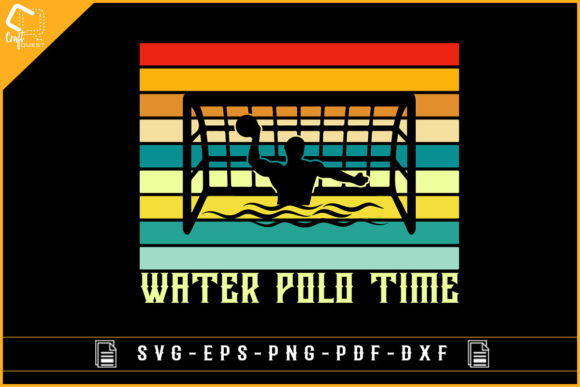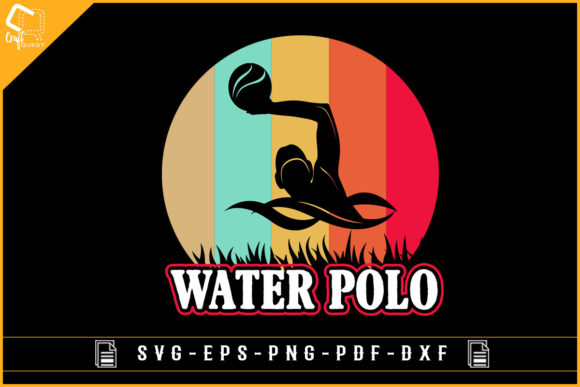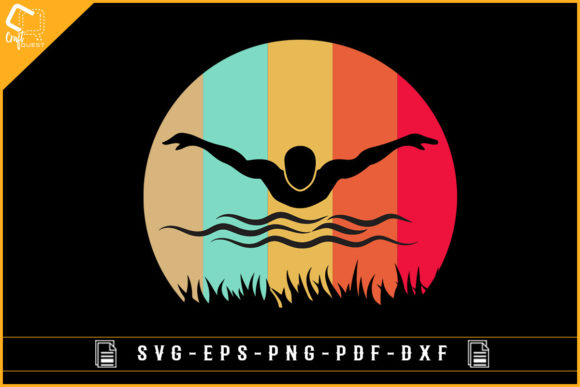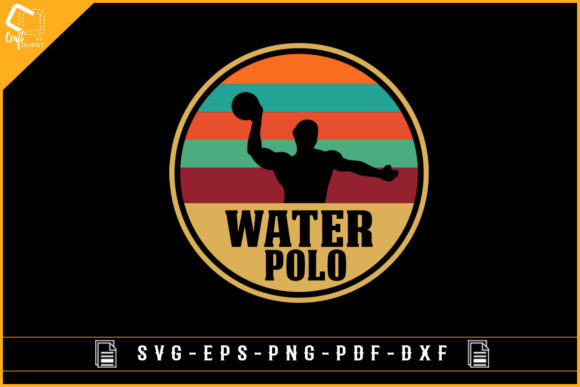
Vintage Retro Water Polo Ball T-shirt
I have spent years reviewing digital assets for embroidery projects, and I often find myself sifting through hundreds of designs that look great on a screen but fail miserably under the needle. When I first encountered the Vintage Retro Water Polo Ball T-shirt design, my initial reaction was one of cautious optimism. It fits squarely into the Crafts and Graphics categories, offering a nostalgic aesthetic that screams "retro sports." But as an experienced designer, I don't judge by nostalgia alone; I judge by stitchability, durability, and commercial viability.
This review isn't about the file formats—though knowing it comes in SVG, EPS, DXF, PNG, and PDF is useful for those preparing cutting files or printable mockups. Instead, this is a practical assessment of how the Vintage Retro Water Polo Ball T-shirt performs when translated from a flat image to a tangible, stitched reality. If you are an Etsy seller, a small business owner, or a hobbyist looking to create high-quality custom apparel, here is what you need to know before you load this design into your machine.
The First Impression: Mood and Visual Personality
The moment you open the file, the design exudes a specific vibe: classic, athletic, and slightly worn-in. The retro style suggests a mid-century aesthetic that pairs perfectly with vintage wash t-shirts or heavy cotton blends. Unlike modern, hyper-detailed vector art that can get lost in embroidery, this design relies on bold shapes and a clear silhouette. This is crucial because embroidery is a medium of subtraction; you cannot add thread where there is no space.
The layout feels balanced, making it ideal for central chest placements on sweatshirts or larger back prints on tote bags. It creates a sense of community and shared interest, which is why it resonates so well with water polo enthusiasts. However, the "vintage" aspect implies some texture or fading in the original artwork. When digitizing or stitching this, you must ensure that the intended "distressed" look doesn't turn into actual thread bunching or skipped stitches. The visual personality is strong enough to stand alone without needing excessive lettering, which keeps the project clean and professional.
Real-World Application: From Screen to Stitch
Let's imagine a real scenario. You are preparing for a holiday gift season or launching a new line of boutique merchandise. You decide to create a custom embroidered tote bag for a local water polo club tournament. The client wants something that looks handmade but has a polished finish. You pull up the Vintage Retro Water Polo Ball T-shirt design to test it on a canvas tote.
In this context, the design shines. The bold lines of the ball translate beautifully onto the textured weave of canvas. Because the design is likely optimized for cut files (given the mention of Cricut compatibility), the outlines are crisp, which helps maintain clarity even on a rough fabric like canvas. The retro theme adds character to a simple tote, elevating it from a generic promotional item to a piece of wearable art that customers will actually want to keep.
Similarly, consider applying this to baby clothes or nursery decor. A smaller version of the Vintage Retro Water Polo Ball T-shirt could work wonderfully on a onesie or a soft blanket. The nostalgic color palette usually associated with this style (often muted teals, creams, and rusts) complements gender-neutral nurseries perfectly. For a small shop product, this design offers a unique niche. While many sellers offer generic sports designs, a dedicated water polo motif shows attention to detail and appeals to a specific, passionate audience.
Where Caution is Required
Despite its strengths, this design is not a universal solution. There are specific scenarios where the Vintage Retro Water Polo Ball T-shirt might struggle if not handled with care. One major area to watch is small hoop sizes. If you attempt to stitch this design on a cap or a tiny embroidered patch, the details may become too dense. Satin stitch areas, particularly around the curves of the ball, can cause puckering if the fabric is thin or stretchy.
Textured fabrics are another consideration. While canvas works well, trying to embroider this on a highly textured linen or a thick fleece without proper stabilizer could result in uneven coverage. The fill stitches might not lay flat, obscuring the retro details. Furthermore, if you plan to use this on dark fabric, you must verify the thread colors. A light-colored vintage design on black fabric requires a high density of underlay stitches to prevent the background from showing through, which can increase the risk of thread breaks.
Curved surfaces like caps present their own challenges. The natural curvature of a hat can distort straight lines. If the original design assumes a flat surface, the stitching on a cap might look warped. Additionally, avoid using this design for products that require frequent washing, such as kitchen towels or aprons used daily in a busy restaurant, unless you reinforce the edges. Dense stitch areas can trap moisture and detergent, leading to faster wear and tear over time.
Impact on Product Value and Brand Consistency
For the commercial embroidery designer or the Etsy seller, the quality of the final product directly impacts customer trust. A sloppy stitch job can ruin the perception of a brand, no matter how good the design concept is. The Vintage Retro Water Polo Ball T-shirt has the potential to enhance product value because of its unique theme. It signals that the maker understands the specific interests of their niche market.
When the design is executed correctly, it boosts buyer engagement. Customers appreciate designs that feel authentic rather than mass-produced. The retro aesthetic lends itself to a story, allowing you to market the finished product as a tribute to classic sportsmanship. This emotional connection is vital for handmade products and personalized gifts. However, consistency is key. If you mix this design with other graphics that have different styles or densities, the overall collection will look disjointed. Ensure that all your design assets align in terms of stitch density and thread weight to maintain a cohesive brand identity.
Practical Designer Notes for Success
Before you commit to a full production run, follow these essential steps to ensure the Vintage Retro Water Polo Ball T-shirt performs as expected:
- Test on Scrap Fabric: Always run a test stitch on a scrap piece of the same material you intend to use. This reveals issues with tension, stabilizer choice, or fabric distortion before you touch your final product.
- Check Thread Color Contrast: Review the design in both color and black-and-white mockups. Ensure the contrast between the thread and the fabric is sufficient for the details to be visible.
- Review Stitch Density: Examine the fill stitch areas. If they appear too dense, the fabric may pucker. Adjust the settings or simplify the design if necessary.
- Confirm Hoop Size: Verify that the design dimensions fit within your intended hoop size. Oversized designs on small hoops lead to misalignment.
- Inspect Small Details: Zoom in on the corners and curves. Tiny details often get lost in embroidery, so you may need to simplify them for better clarity.
- Use Proper Stabilizer: Match the stabilizer type (cut-away, tear-away, or sticky) to the fabric weight and the design complexity.
- Verify Licensing: Before selling finished items or digital products, double-check the license terms provided with the file. Ensure you have the right to use the Vintage Retro Water Polo Ball T-shirt for commercial purposes.
Ultimately, the Vintage Retro Water Polo Ball T-shirt is a versatile asset for any creative entrepreneur. It bridges the gap between digital convenience and physical craftsmanship. By understanding its strengths and limitations, you can transform this graphic into a stunning finished product that delights customers and strengthens your craft business. Whether you are creating custom apparel, holiday gifts, or boutique branding, this design offers a solid foundation for your next embroidery project.