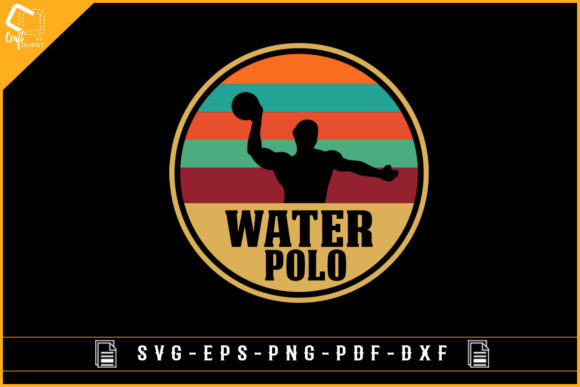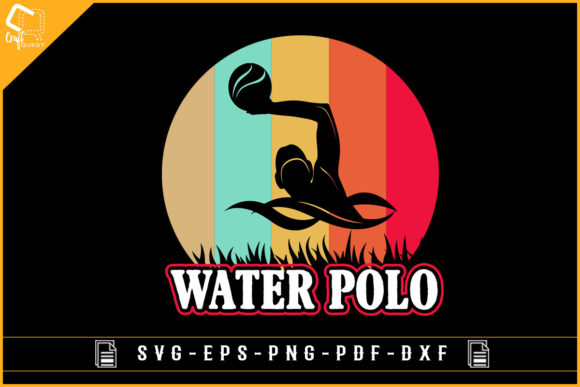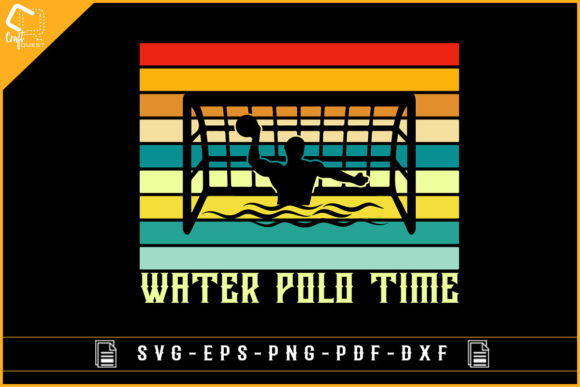
Vintage Retro Water Polo Time T-shirt
I have spent years reviewing digital assets for my own studio, and I know that the difference between a design that looks great on a screen and one that actually stitches well often comes down to practical application. When I first laid eyes on the Vintage Retro Water Polo Time T-shirt file, it wasn't just about the nostalgic aesthetic; it was about whether this piece could hold its own in a real-world embroidery project. As someone who has overseen countless custom apparel orders and boutique collections, I approached this Graphics category item with a critical eye, looking specifically at how it translates from a flat vector into a tactile, stitched reality.
The First Stitch: Visual Mood and Design Personality
The immediate impression of the Vintage Retro Water Polo Time T-shirt is one of classic sports nostalgia. The retro styling suggests a time when athletic gear was less about high-tech synthetics and more about bold colors and simple shapes. For an embroidery designer, this is crucial because the design needs to maintain its personality even after the complexity of thread density reduces fine details. The layout feels balanced, suggesting that it will sit comfortably on the chest of a sweatshirt or centered on the back of a tote bag without overwhelming the garment's silhouette.
In terms of visual appeal, the design leans heavily into the "handmade" feel that customers today crave. It does not look like a mass-produced factory print. Instead, it carries the weight of a custom apparel piece that a small business owner would be proud to list on Etsy. The retro theme naturally invites specific color palettes—mustard yellows, faded teals, and deep burgundies—which are perfect for creating a cohesive brand identity for a shop selling water polo gear or vintage-inspired sportswear.
Real-World Application: From Screen to Stitch
Let's imagine a scenario where you are preparing for a local craft fair. You want to create a limited run of embroidered patches and aprons for your booth. You decide to use the Vintage Retro Water Polo Time T-shirt design as the centerpiece. On paper, it works beautifully. However, the transition to physical production requires careful planning. If you are stitching this onto a heavy canvas tote bag, the design needs enough fill stitch to stand up against the texture of the fabric. Conversely, if you plan to put it on a baby onesie, the density becomes a major concern.
This design excels in scenarios where the product value relies on a strong graphic statement. A customer buying a personalized gift for a water polo enthusiast expects something that feels substantial. An embroidered patch featuring this retro motif can elevate a plain cap or jacket instantly. Similarly, using it on a kitchen towel or pillow cover adds a layer of whimsy that fits perfectly with current trends in home decor. The design acts as a conversation starter, which is exactly what a savvy Etsy seller wants to achieve.
Where Caution is Required
While the design has strong potential, there are specific areas where a professional needs to exercise caution. The prompt mentions this is a craft design available in SVG, EPS, DXF, PNG, and PDF files, but it explicitly notes "printable cutting files for cricut or vinyl cut." This distinction is vital. If you are attempting to use this as a machine embroidery design, you must ensure you have converted the vector paths into actual stitch data (PES, DST, JEF, etc.). Using a raster image or a raw SVG directly in an embroidery machine will result in failure.
If you do convert it correctly, watch out for tiny lettering or intricate corners. Embroidery machines struggle with very small details, especially on stretchy fabrics like those found in performance t-shirts or caps. If the design includes fine lines meant for vinyl cutting, they may disappear entirely once stitched unless you use a very tight satin stitch, which can distort the shape. Furthermore, on dark fabrics, you will need a high-quality underlay to prevent the design from sinking into the material. Without proper stabilizer and underlay, the Vintage Retro Water Polo Time T-shirt design might look muddy rather than crisp.
Impact on Product Value and Brand Trust
In the world of handmade goods, the quality of the finish dictates the price point. A well-executed embroidery project signals professionalism and care. When a customer sees the Vintage Retro Water Polo Time T-shirt design stitched cleanly on a premium hoodie, they perceive higher value. They trust that the maker paid attention to detail. This is particularly important for commercial embroidery projects where repeat business depends on consistency.
However, if the design is poorly digitized or stitched with incorrect tension, it can damage brand reputation. A wobbly outline or skipped stitches on a holiday gift item can turn a delighted buyer into a dissatisfied one. Therefore, the visual clarity of the final product is paramount. The retro style helps here because slight imperfections can sometimes be forgiven as part of the "vintage" charm, but only if the overall structure remains sound.
Practical Designer Notes for Success
Before committing to a full production run, I always recommend a rigorous testing phase. Start by stitching the design on scrap fabric that mimics the texture and weight of your final product. This step is non-negotiable. Check the thread color contrast carefully; a light thread on a dark background requires different coverage than the reverse. Review the stitch density to ensure the design isn't too stiff or too flimsy.
Also, confirm the hoop size limitations. If your intended product is a curved surface like a baseball cap, verify that the design dimensions fit within the standard hoop constraints without distorting the perspective. Test the design in black and white mockups first to see if the composition holds up without the distraction of color. Finally, inspect the small details closely. Are the curves smooth? Do the corners hold their shape? If the original file is intended for vinyl cutting, you may need to manually adjust the digitizing parameters to make it suitable for applique design or traditional machine embroidery.
For those running a craft business, understanding the licensing is equally important. Ensure you have the rights to sell finished items made with the Vintage Retro Water Polo Time T-shirt design. Some digital products allow personal use only, while others grant commercial rights. Always read the fine print before listing your small shop product on marketplaces.
Final Thoughts on a Versatile Asset
The Vintage Retro Water Polo Time T-shirt offers a compelling blend of nostalgia and utility. It is a design that speaks to a niche audience while maintaining broad appeal through its classic aesthetic. Whether you are creating a unique personalized gift for a friend or building a line of digital embroidery files for other makers, this asset provides a solid foundation. Its success ultimately depends on the skill of the digitizer and the precision of the embroiderer. By treating it with the respect due to a professional design asset, you can transform a simple graphic into a standout piece of wearable art.
For the discerning creator, this design represents more than just a file; it is a tool for storytelling. When executed with care, it bridges the gap between modern digital convenience and the timeless appeal of handcrafted textiles. Just remember to test, stabilize, and stitch with intention, and your finished product will reflect the quality that serious buyers expect.